Programmes | ViSA Africa
Land Governance
Integrating legitimate community rights into restoration and conservation programs
To understand the socio-economic impact of land restoration and forest conservation policies and programmes on rural land access and use by dependent communities, ViSA Africa carried out participatory mapping in the communes of Bembèrèkè and Gogounou, two villages bordering the Trois Rivières forest.
The results highlighted significant implementation challenges related to institutional dysfunctions and a power imbalance that threaten the principles of participatory management and resource conservation. For instance, there were numerous conflicts between local populations and government officials, and deep mistrust existed between these two groups, who were supposed to collaborate on implementing the participatory forest management plan.
This plan, intended to serve as the foundation for including riparian populations in management and decision-making, has instead become an instrument of exclusion and discrimination, primarily harming the most vulnerable groups, including women, pastoralist communities, and migrants.
Multi-stakeholder dialogue to reverse paradigms in forest conservation and land governance policies and strategies
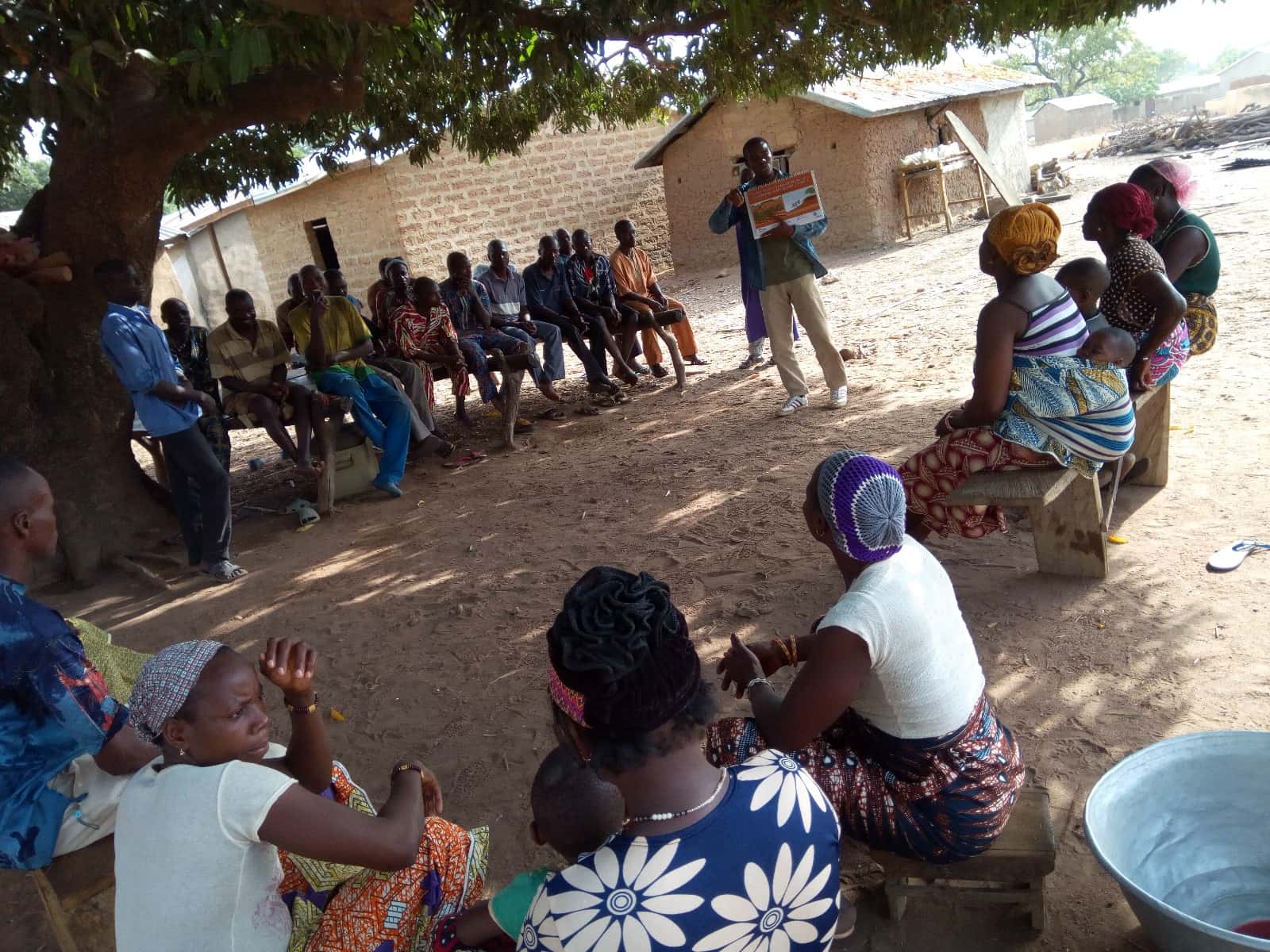
ViSA Africa has launched a series of multi-stakeholder dialogues at local, regional, and national levels to raise stakeholders’ awareness of the illegitimate tenure rights of forest-dependent communities under ill-designed restoration and conservation policies. It also reinforced the capacities of local authorities and policy decision-makers in key concepts and principles of land degradation neutrality, thereby enabling participants to better understand the UNCCD's decisions on land tenure and Benin's commitments under this Convention.
In collaboration with the UNCCD national focal point, ViSA Africa hosted a workshop to explore pathways for integrating national restoration and conservation policies and programmes into concrete development actions that were later incorporated into the communal development plans (PDC).
Participatory advocacy for the recognition and protection of legitimate land rights of vulnerable communities, especially women
Since 2022, ViSA Africa has been involved in strategic communications and advocacy campaigns to promote the recognition and protection of community rights, particularly land rights for women and pastoral populations.
In 2024, two campaigns conducted in Parakou and Cotonou, in close collaboration with the Global Convergence of Struggles for Land, Water, and Seeds in West Africa, highlighted the social and gender inequalities that women face in accessing land and the resources they depend on for their resilience to climate change challenges.
In addition to sparking reflections to find solutions to these challenges, these campaigns have raised the awareness of several policymakers and local authorities, including on the content of certain international agreements relating to land and the rights of indigenous peoples and local populations that have been ratified by Benin.
Adaptation and Resilience
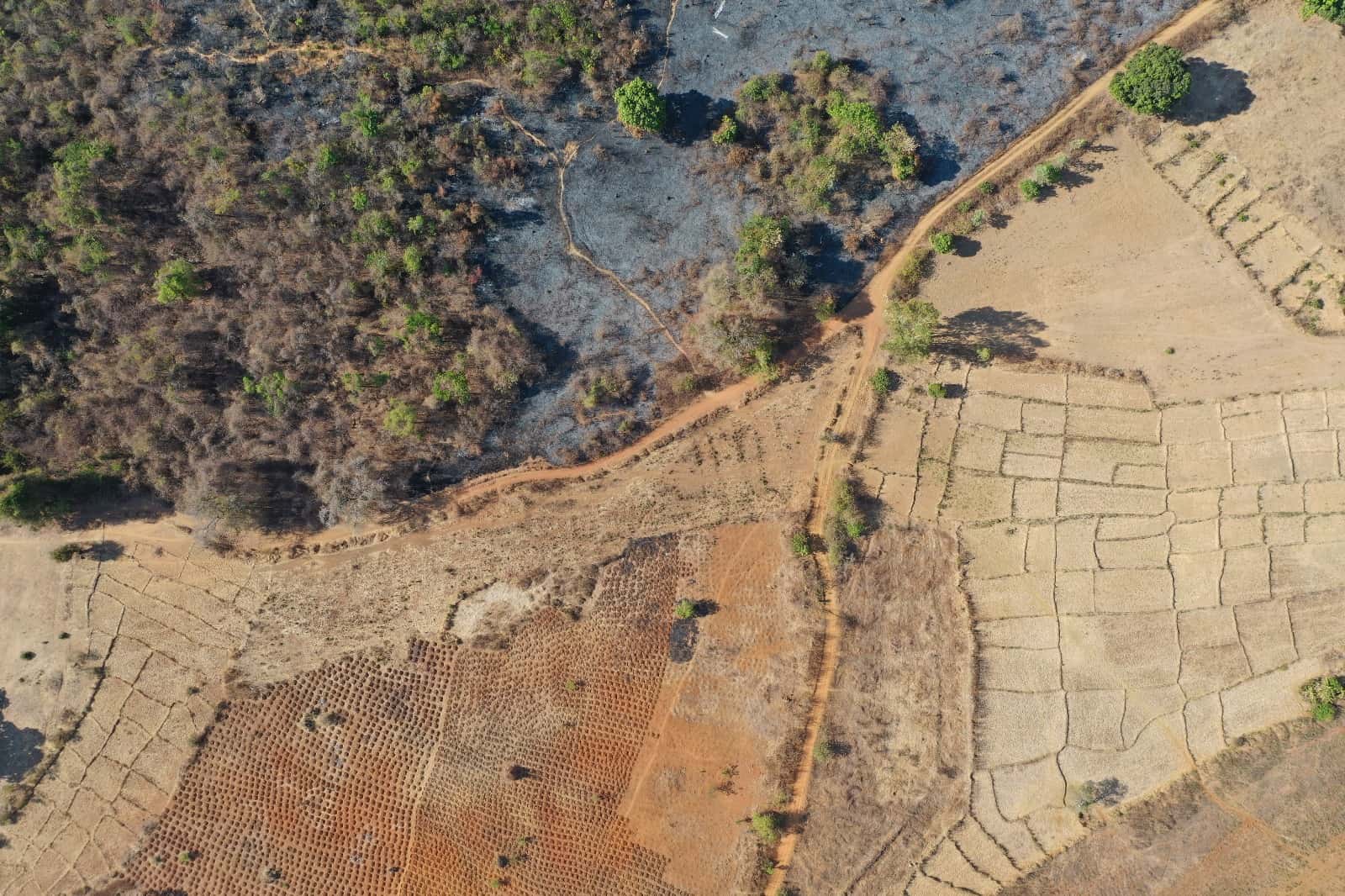
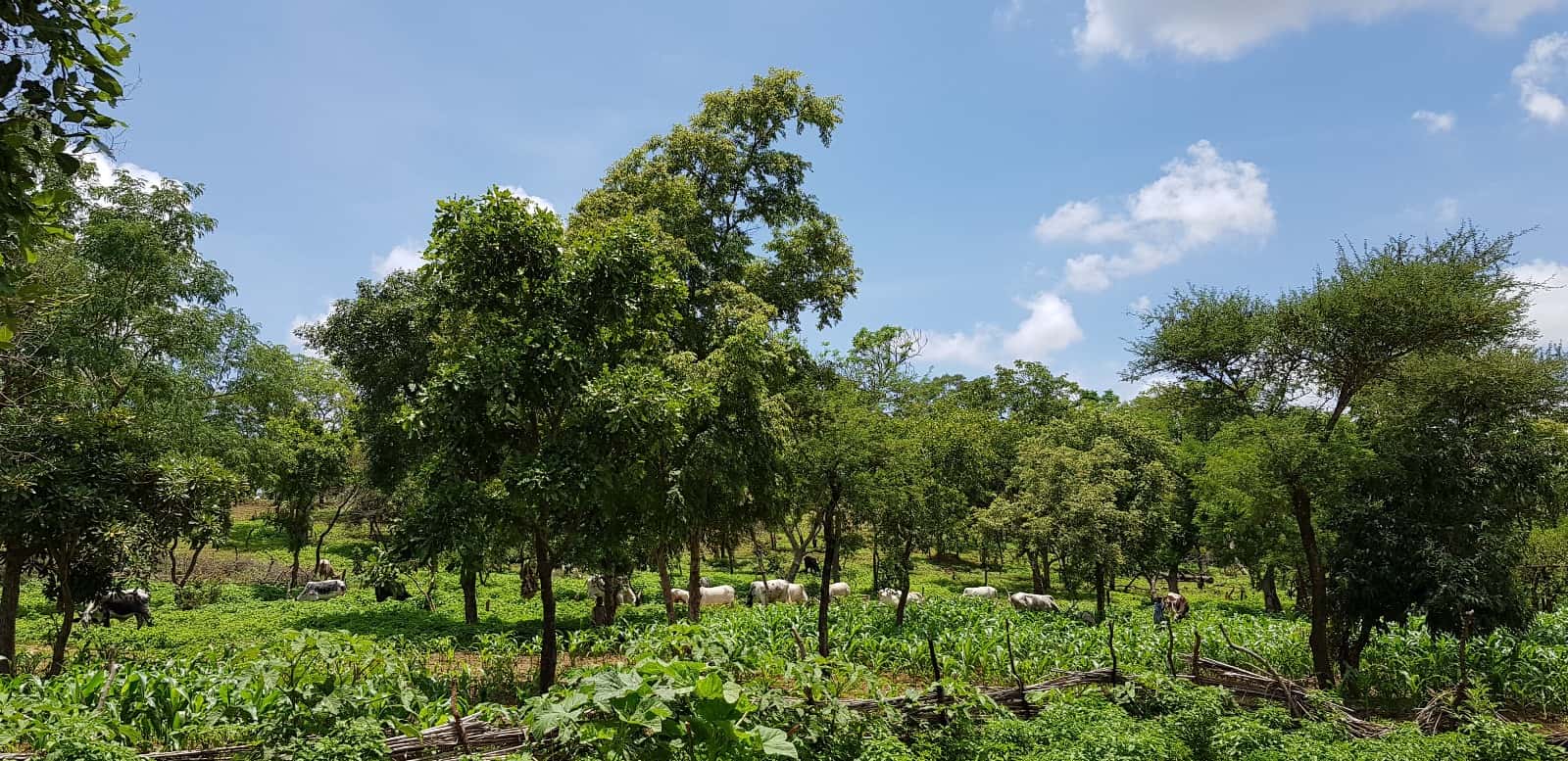
Agro-pastoral dams are versatile reservoirs designed to help pastoralists and farmers manage water scarcity in rural and peri-urban areas. Over recent decades, their sustainability has been impacted by management challenges arising from stakeholders’ perceptions of the ecosystem services provided by reservoirs and buffer zones.
Our research on five dams using the ecosystem services cascade model highlights three issues: limited understanding of system interconnections, weak recognition of its diverse services, and an overemphasis on fishing. This caused conflicts over fish sales and livestock water fees, undermining watershed and dam management.
As competition for land and water grows due to climate change and other anthropogenic factors, such gaps threaten water infrastructure vital for remote communities facing climate change and drought. Our findings suggest that careful and participatory valuation of ecosystem services can clarify trade-offs, reduce conflicts, guide better management policies, and improve local coping strategies to climate and drought.
Just Food Systems
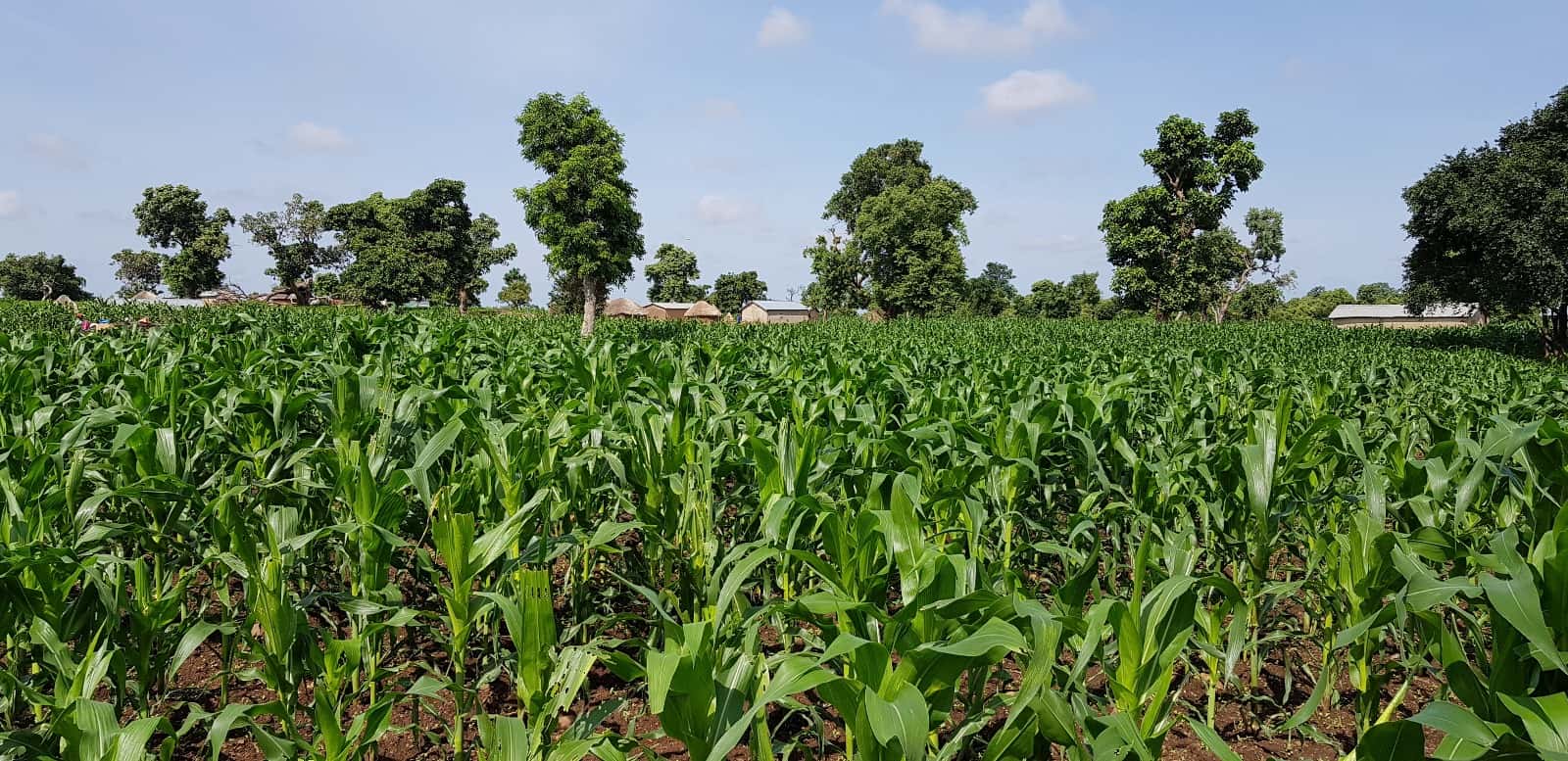
ViSA Africa conducted a study in the municipalities of Gogounou, Kandi, and Ségbana to promote just food systems. The study examined the interactions between agriculture and livestock stakeholders. The aim was to explore the foundations and opportunities for peaceful collaboration and to improve sustainable land management (SLM).
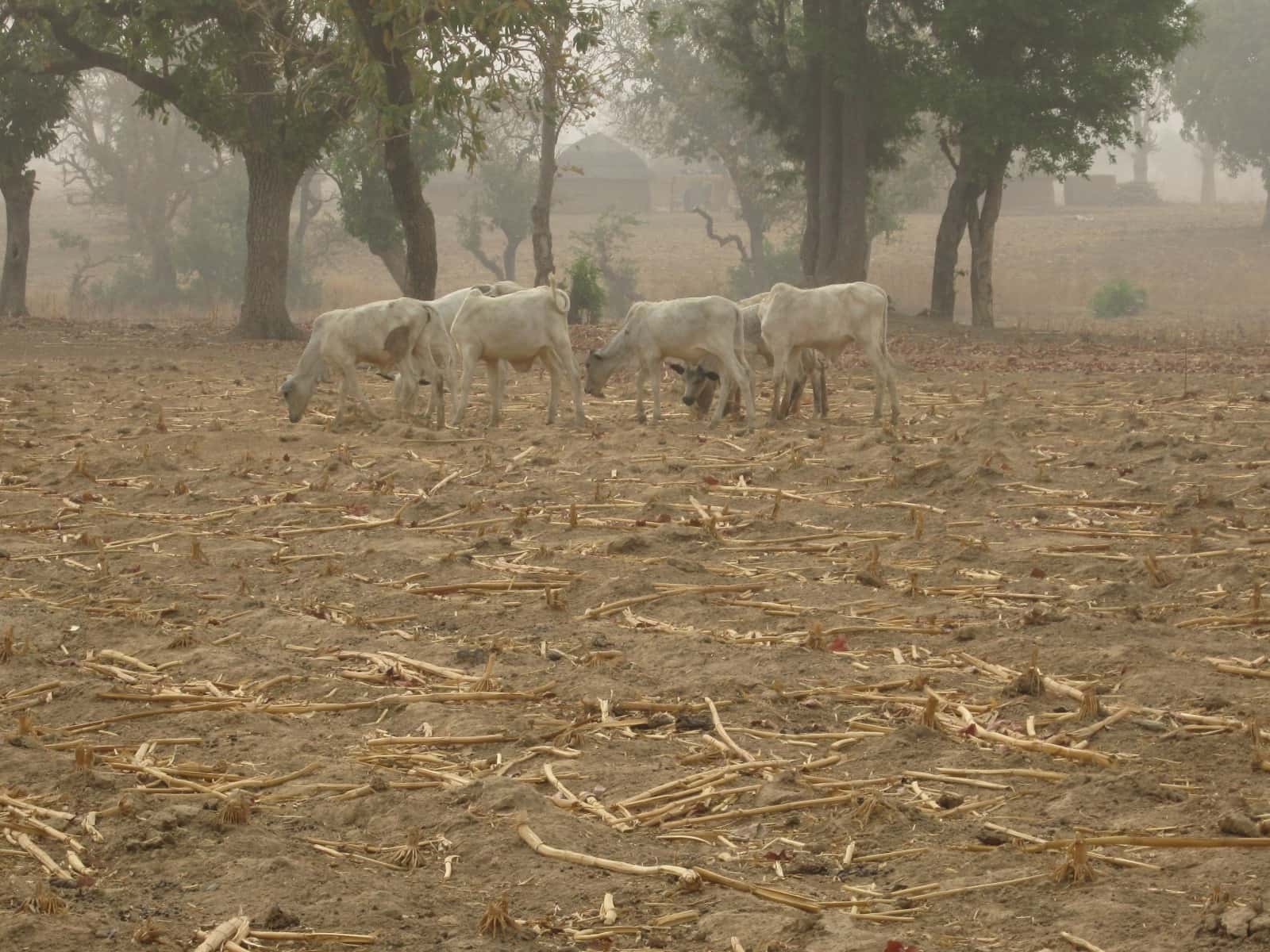
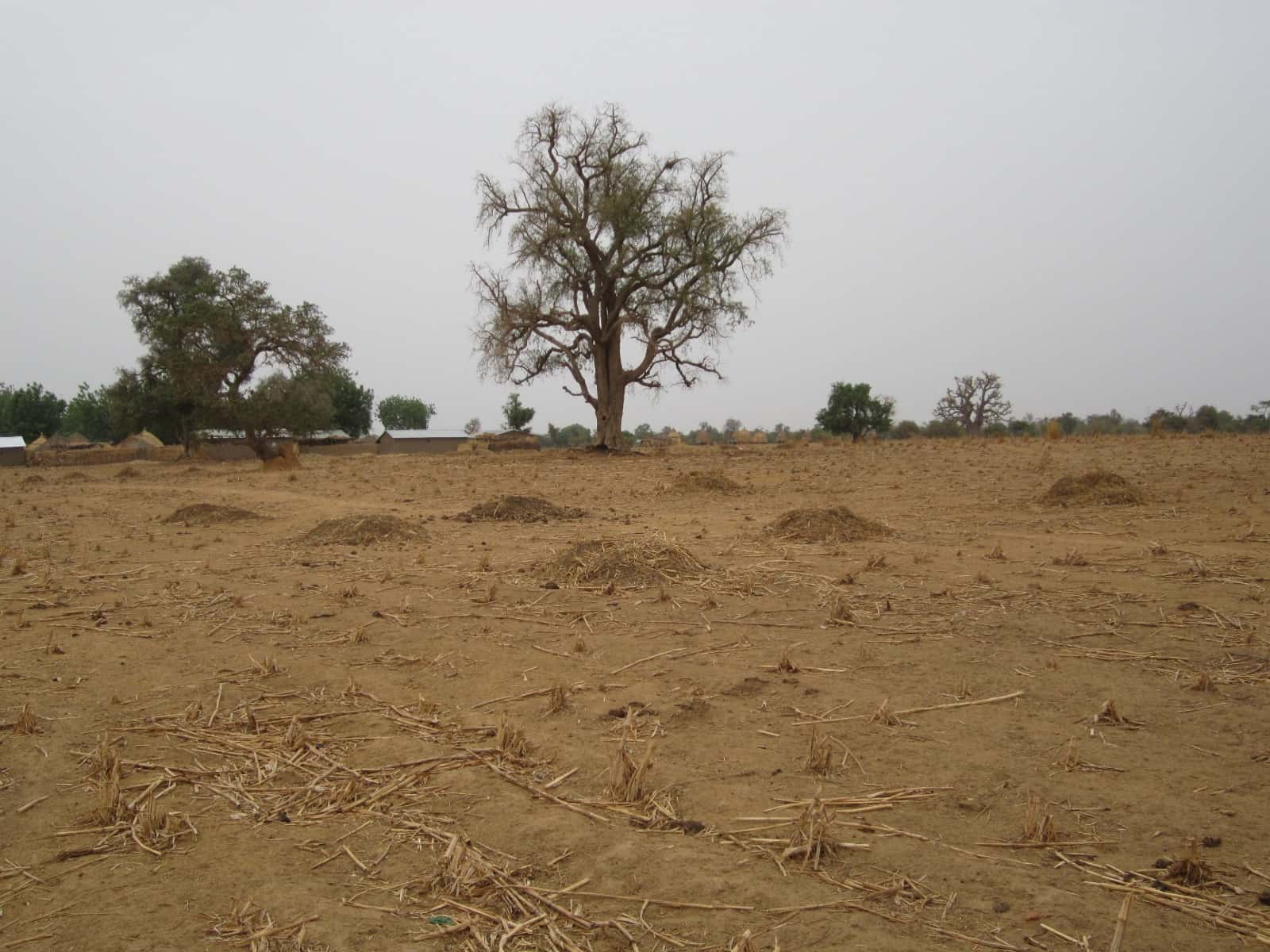
Our research has indicated that around 90% of the farms surveyed are affected by land degradation and rely on organic fertilisers to meet household needs. The main crops are maize, cotton, sorghum, and soya. Livestock farming is very common (84% of respondents), especially cattle and small ruminants, with 70% of producers keeping both types of livestock, which shows a high potential for manure production.
Animal feed, especially during the dry season, mainly relies on crop residues, while fodder crops remain marginal. This potential for synergy is, however, threatened by various frustrations and conflicts that undermine trust between these two socio-professional groups. Only 25% of breeders would agree to a parking contract, compared with 80% of interested farmers. Despite its potential, the use of animal waste remains undervalued.
As conflicts between farmers and breeders escalate in a context characterised by rising violent terrorism, it is crucial to identify opportunities for synergies and turn them into tangible development projects, while promoting peaceful coexistence between the two socio-professional groups.
ViSA Africa possesses the tools and expertise for this transformation and is firmly committed to supporting it transition.